Skip to content
Alloy Theory

Plastics and Glass

Automotive Plastics and Glass

The polymers and glazing that shape vehicle interiors, exteriors, and visibility.
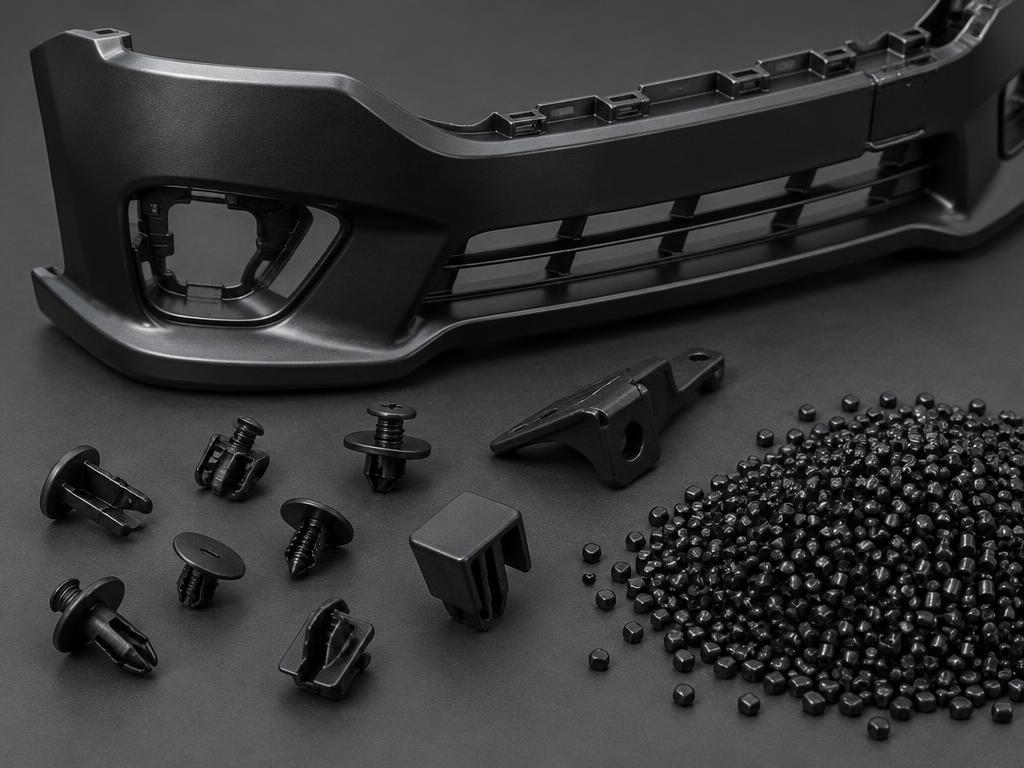
Injection molded black plastic bumper fascia, trim clips, and plastic pellets

Pl-07

Automotive Plastics

Polymers make up a large share of a vehicle's volume, from bumpers to dashboards and wiring insulation.

Learn more about automotive plastics
What it is
Common automotive plastics include polypropylene (PP), ABS, polycarbonate (PC), polyamide (nylon), and polyurethane (PU). Many are filled or reinforced to improve performance.
General properties
Low density, wide range of stiffness and flexibility, good chemical resistance, and moldable into detailed shapes.
Advantages
  • Very lightweight
  • Complex shapes in one molding
  • Integrated color and texture
Limitations
  • Lower strength and heat resistance than metals
  • Can degrade under UV exposure
  • Mixed plastics complicate recycling
Common vehicle uses
Bumper fascias, dashboards, door trims, fuel tanks, intake manifolds, lighting housings, and clips.
Why manufacturers choose it
Plastics are chosen for interior and exterior parts where weight, styling, and cost matter more than structural load bearing.
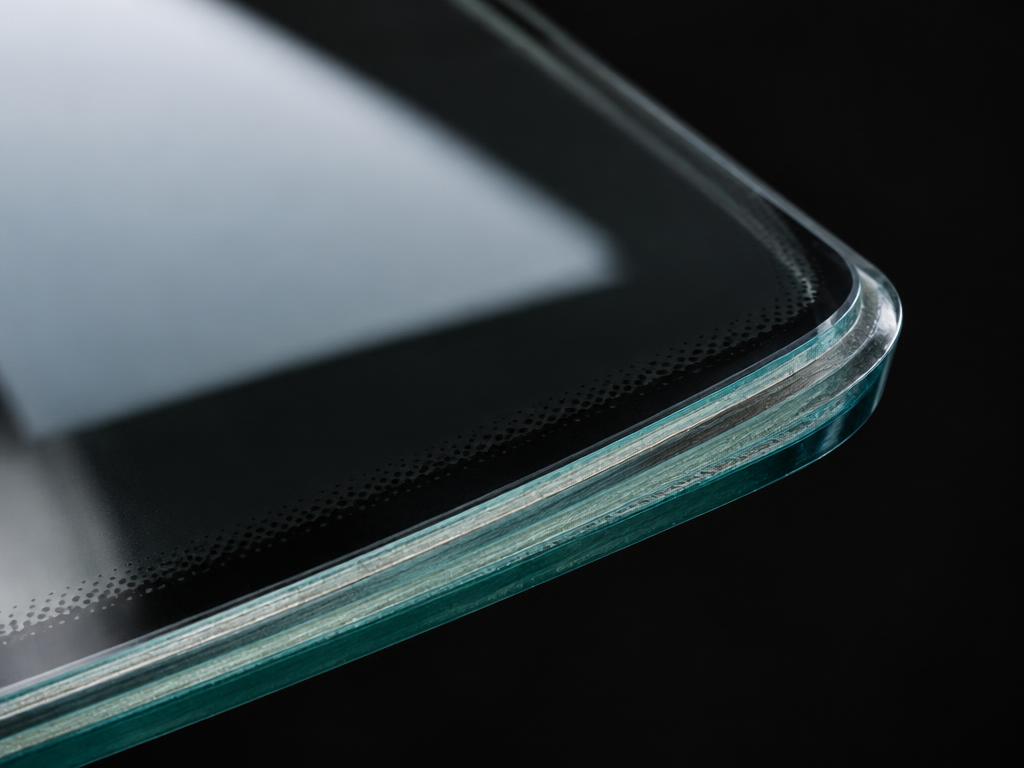
Edge of laminated automotive windshield glass showing its layers

Si-14

Automotive Glass

Safety glazing that provides visibility, structural support, and occupant protection.

Learn more about automotive glass
What it is
Windshields use laminated glass, two glass layers bonded to a plastic interlayer such as PVB. Side and rear windows often use tempered glass, which is heat treated for strength.
General properties
High transparency, good scratch resistance, and specific break patterns. Laminated glass holds together when cracked, while tempered glass breaks into small pieces.
Advantages
  • Clear, durable visibility
  • Bonded windshields add body stiffness
  • Can integrate acoustic and solar layers
Limitations
  • Relatively heavy
  • Brittle under sharp impact
  • Repairs are limited for tempered glass
Common vehicle uses
Windshields, side and rear windows, sunroofs, and panoramic roofs.
Why manufacturers choose it
Glass remains the standard for windows because it combines optical clarity, durability, and proven safety behavior.
Get SMS Updates