Fe-01
Automotive Steel
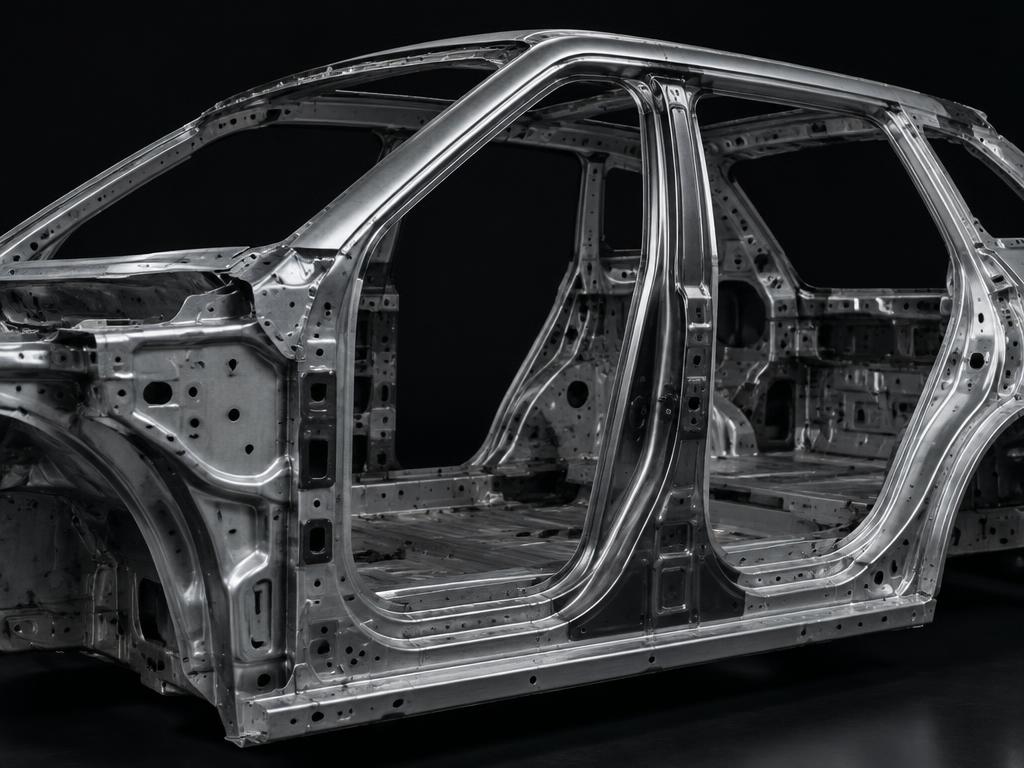
The backbone of most vehicle bodies, valued for its strength, formability, and ease of welding.
Learn more about automotive steel
- What it is
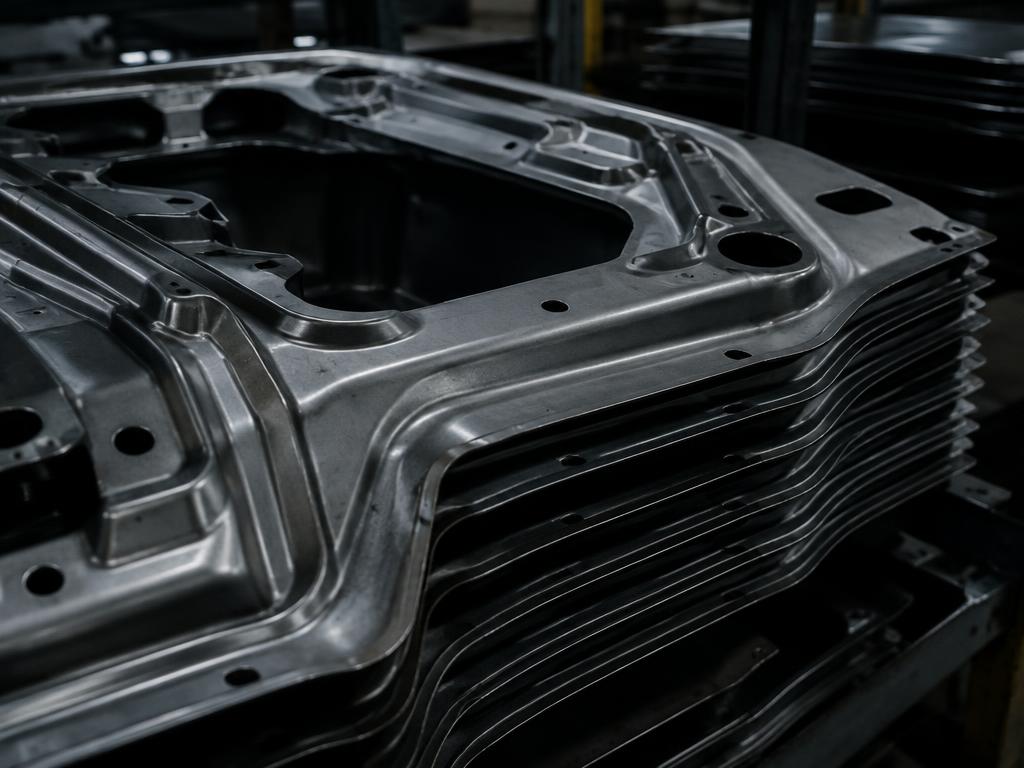
- Steel is an alloy of iron and carbon, often with small additions of manganese, silicon, or other elements. Mild and conventional steels are rolled into thin sheets that can be pressed into body panels and structural parts.
- General properties
- High density, good tensile strength, excellent formability, and predictable behavior under load. It is easy to weld, repair, and recycle.
- Advantages
- Low material cost
- Mature, well understood manufacturing
- Highly recyclable
- Easy to join by spot welding
- Limitations
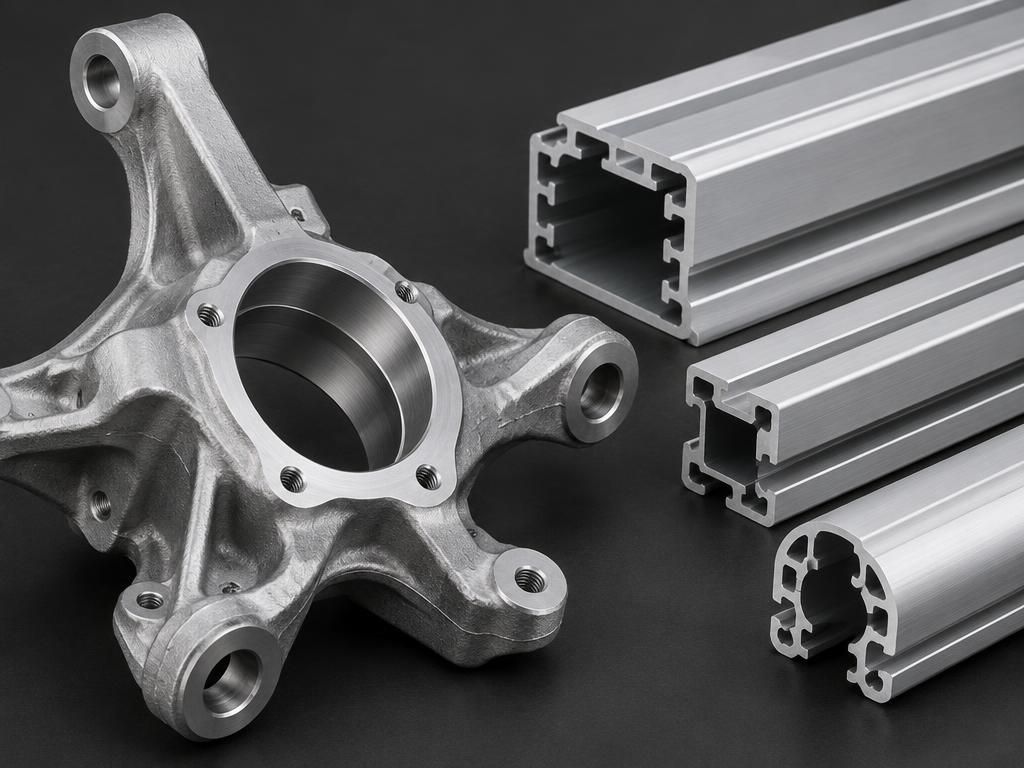
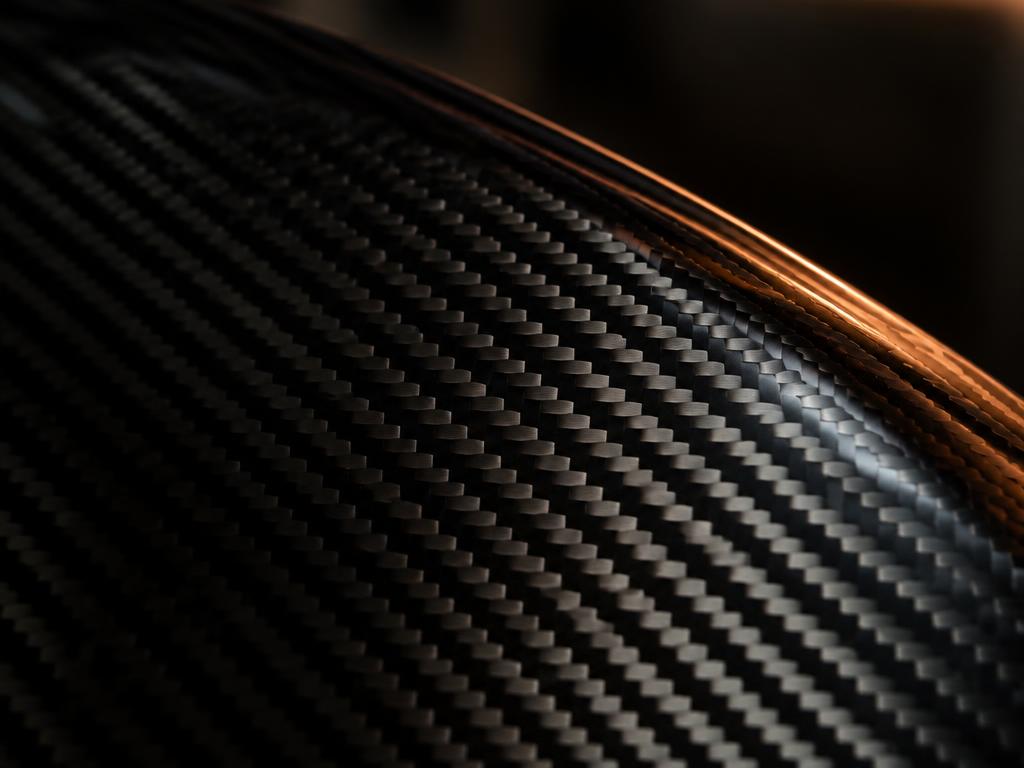
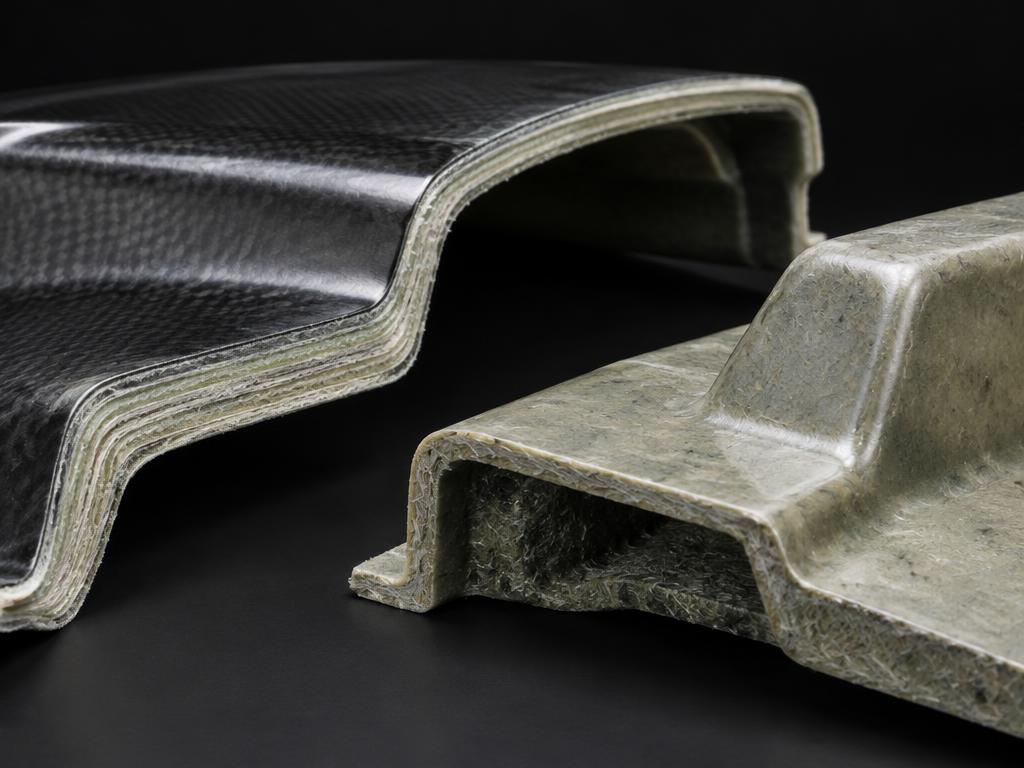
- Heavier than aluminum or composites
- Prone to corrosion without coatings
- Lower strength grades need thicker sections
- Common vehicle uses
- Floor pans, outer body panels, doors, hoods, brackets, exhaust components, and many chassis parts.
- Why manufacturers choose it
- Manufacturers often choose steel when cost, high-volume production, and repairability matter more than saving every kilogram.